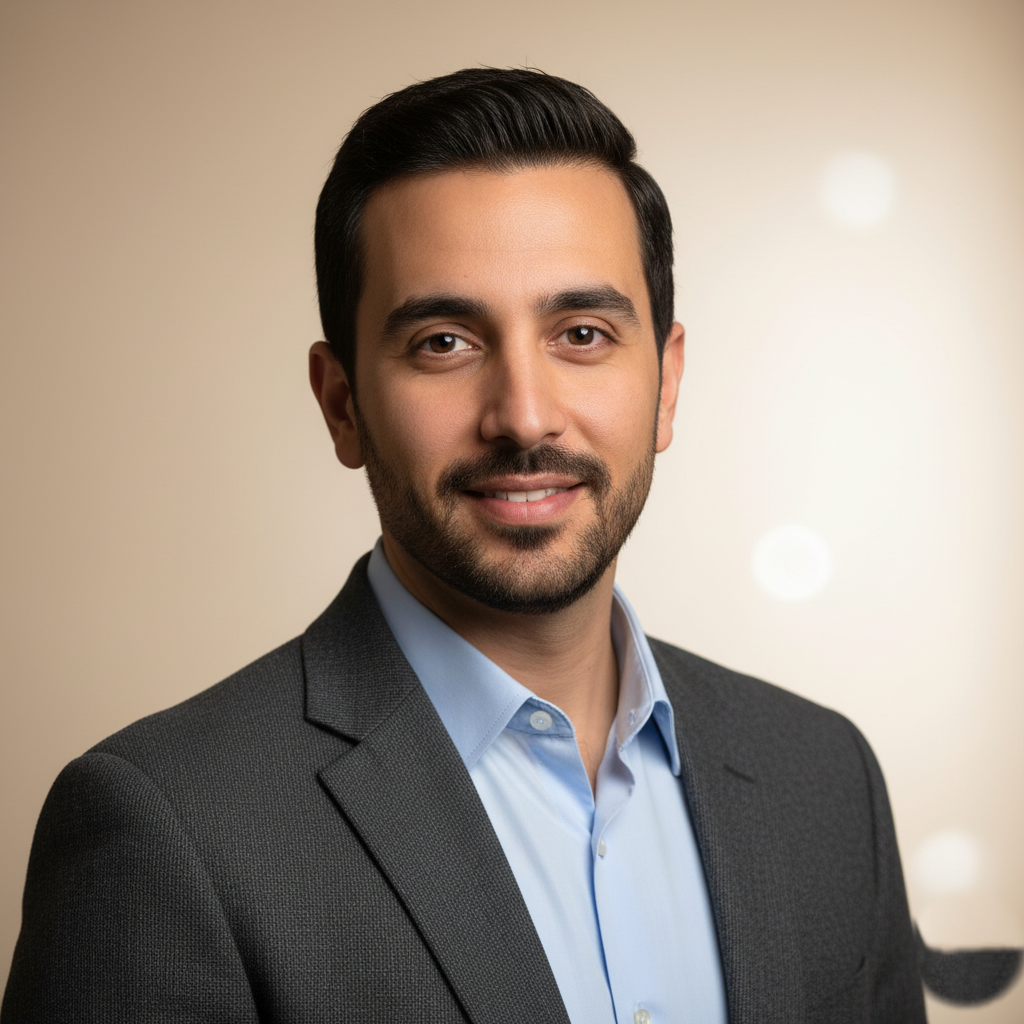
In a country where her faith marked her as an enemy, Amara faced a choice between silence and survival. As a member of a persecuted religious minority, she endured years of systematic discrimination, threats from extremist groups, and the constant fear that practicing her beliefs could cost her everything—including her life.
"You wake up every day wondering if this will be the day they come for you," Amara recalls, her hands clasped tightly in her lap. "Your faith is the most important thing in your life, but it's also the thing that puts you in danger. You can't hide who you are, but you can't be open about it either. It's an impossible existence."
Living Between Faith and Fear
Amara grew up in a close-knit religious community that had existed for generations. But over the years, rising extremism and government-sanctioned discrimination made their lives increasingly precarious. Places of worship were vandalized, community leaders were arrested on fabricated charges, and families lived under constant surveillance.
"We practiced our faith in secret," she explains. "No public gatherings, no celebrations, nothing that would draw attention. Even that wasn't enough. They knew who we were."
The turning point came when extremists attacked her community's underground prayer gathering. Several people were injured, and Amara narrowly escaped. In the aftermath, she received direct threats—messages warning her that next time, she wouldn't be so fortunate.
Religious persecution remains one of the leading causes of asylum claims worldwide. Canada recognizes the fundamental right to religious freedom and provides protection to those fleeing faith-based persecution.
"That's when I knew I had to leave," Amara says. "Staying meant living in fear forever—or worse. But leaving meant abandoning my family, my community, everything I'd ever known. It was the hardest decision of my life."
A Lifeline in the Darkness
Through a trusted friend who had successfully relocated years earlier, Amara learned about Project Freedom Path. The recommendation came with a simple message: "They understand. They care. They helped me, and they can help you too."
With trembling hands, Amara filled out the free eligibility assessment late one night, using a secure internet connection. She provided details about her situation, her community's persecution, and the specific threats she faced.
"The response came within hours. Not an automated message—a real person who understood the urgency, the fear, the weight of what I was facing. For the first time in months, I felt like someone was actually listening."
— Amara, on her first contact with Freedom Path
Amara chose the Premium Sanctuary Package, recognizing that her case required specialized expertise in religious persecution claims. Her case manager, David, had extensive experience with faith-based asylum cases and understood the unique documentation requirements and cultural sensitivities involved.
"David was more than just a case manager," Amara reflects. "He was someone who genuinely understood why my faith mattered so much to me. He never asked me to minimize it or explain it away. He helped me present my story with dignity."
Building a Case for Protection
Religious persecution asylum cases require extensive documentation—evidence of systematic discrimination, proof of targeted threats, and credible testimony about the specific risks faced by religious minorities in the applicant's home country.
David guided Amara through every step: gathering country condition reports from reputable human rights organizations, documenting the attack on her prayer gathering, collecting witness statements from fellow community members who had also fled, and preparing a detailed personal narrative that demonstrated the genuine and well-founded nature of her fear.
Amara's Path to Safety
Month 1: Initial Consultation
Completed comprehensive assessment and connected with specialized case manager experienced in religious persecution cases.
Months 2-5: Evidence Gathering
Compiled country condition reports, gathered witness testimonies, documented threats, and prepared detailed personal statement with cultural sensitivity.
Months 6-8: Application Submission
Submitted comprehensive asylum application with expert legal review, prepared for interviews with dedicated coaching on religious freedom law.
Month 9: Interview & Approval
Successfully completed asylum interview and received approval for protection based on religious persecution.
Month 10-12: New Life Begins
Relocated to Vancouver, connected with faith community, secured housing, and began integration with ongoing support.
"The most powerful moment was when David helped me articulate why my faith wasn't just important—it was essential to who I am," Amara says. "In my home country, they wanted me to choose between my beliefs and my safety. David helped me show that no one should ever have to make that choice."
The approval came through on a quiet Tuesday morning. Amara was preparing tea when she saw the email notification. Her hands shook so much she nearly dropped her phone.
"I read it three times to make sure it was real," she recalls, tears glistening in her eyes. "Then I knelt down and gave thanks. I had been granted not just asylum, but the freedom to worship openly, to practice my faith without fear. It was a miracle."
A New Beginning in Vancouver
Today, Amara lives in Vancouver, a city known for its cultural diversity and religious tolerance. Within her first week, David connected her with a vibrant faith community where she was welcomed with open arms—no questions asked, no judgment rendered, just acceptance.
"The first time I walked into a place of worship without fear, I couldn't stop crying," Amara shares. "I could pray out loud. I could sing. I could be myself completely. After years of hiding, I was finally free."

Amara now works as a community liaison, helping other newcomers navigate life in Canada. She volunteers with interfaith organizations, sharing her story and building bridges between different communities. On weekends, she teaches children in her faith community, passing on traditions she once thought she'd never practice again.
"I thought I had lost everything when I left my country," she reflects. "But what I've gained here is beyond measure. I have my faith, my freedom, my dignity. I wake up without fear. I can be myself without apology."
"Project Freedom Path didn't just help me escape persecution—they helped me reclaim my life. They understood that my faith isn't just something I believe; it's who I am. In Canada, I'm finally free to be that person. I will spend the rest of my life in gratitude."
— Amara, Community Liaison in Vancouver
Understanding Religious Persecution Asylum: Canada's asylum system recognizes religion as a protected ground under the UN Refugee Convention. This includes persecution for practicing a faith, belonging to a religious minority, converting from one religion to another, or refusing to follow a state-imposed religion.
Is Religious Persecution Affecting Your Life?
If you're facing persecution because of your faith, you don't have to live in fear. Canada offers protection to those fleeing religious persecution. Our experienced team can help you build a strong case and guide you toward safety and freedom.
Start Your Free Assessment100% confidential • Culturally sensitive support • Free consultation